Reflections on Spirituality by Mataji Someshwari Devi.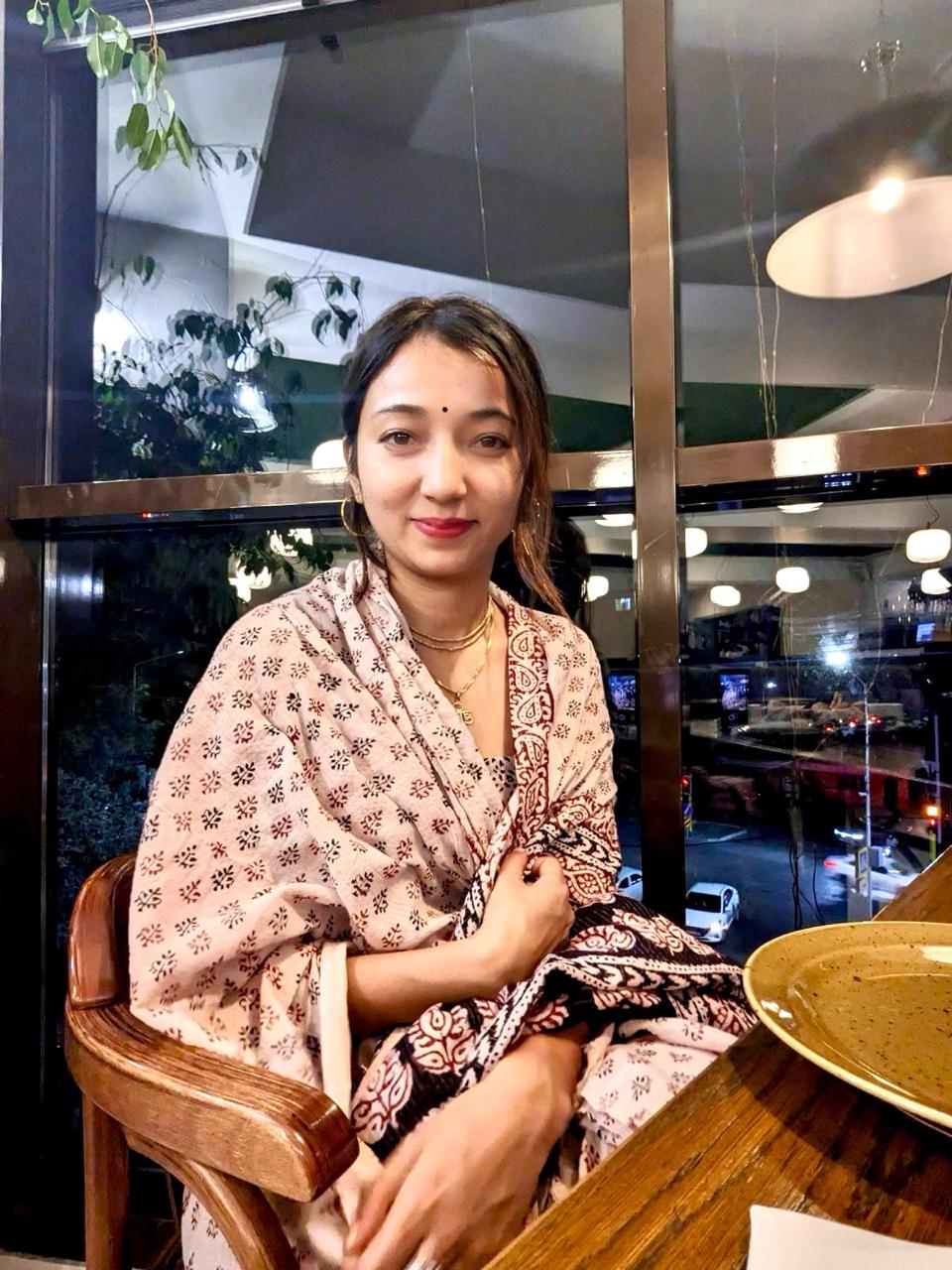
There are moments in life when we search desperately for answers. We visit temples, offer prayers, seek guidance, and ask the Divine to show us the way forward. Yet, despite our efforts, certain doors remain closed, certain questions remain unanswered, and certain journeys seem to take longer than we expected.
Perhaps this is where spirituality asks us to look beyond our expectations.
Navratri, the sacred celebration of the Divine Mother, invites us to contemplate a deeper dimension of faith: the understanding that spiritual growth is not always governed by our impatience, but often unfolds through readiness, experience, and introspection.
Not Everything Happens When We Want It To
One of the most difficult lessons in life is accepting that desire and timing do not always coincide.
We may feel ready for a particular opportunity, relationship, experience, or spiritual encounter, yet circumstances may unfold differently. Our first response is often frustration. We wonder why something is not happening, why a particular path seems inaccessible, or why the answers we seek remain distant.
But what if we used these moments not merely to question life, but to understand ourselves?
Mataji Someshwari Devi’s spiritual perspective invites seekers to reflect on the individuality of every spiritual journey. Each person arrives with different experiences, questions, and levels of understanding. Consequently, the path that proves meaningful for one individual may not necessarily be appropriate for another.
As Mataji expresses this principle: “Sabke liye sab nahi hai.” — Everything is not meant for everyone.
This thought encourages discernment rather than comparison. It reminds us that spirituality is not a competition, nor is it a collection of experiences to be acquired simply because someone else has experienced them.
The Divine Mother and the Courage to Transform
The nine forms of Maa Durga represent different dimensions of divine strength, compassion, wisdom, and transformation.
Her fierce forms remind us that courage sometimes requires confronting uncomfortable truths. Her nurturing forms remind us that strength need not be harsh. Her wisdom teaches us to distinguish between what nourishes our growth and what keeps us bound to fear, attachment, and confusion.
To worship the Divine Mother, therefore, can also mean examining the forces within ourselves that prevent us from living consciously.
Are we acting out of fear or understanding? Are we seeking spiritual guidance to transform ourselves, or merely hoping that someone else will resolve our difficulties? Are we willing to practise patience when life does not follow our preferred timetable?
These questions do not diminish devotion. They give devotion greater depth.
Faith Is Not the Absence of Questions
A mature spiritual life does not necessarily mean that every doubt disappears. Rather, it means learning to approach our doubts with sincerity, humility, and discernment.
Faith should not require us to abandon reason or personal responsibility. Genuine reflection allows devotion and thoughtful inquiry to coexist.
During Navratri, the practice of mantra chanting, meditation, prayer, and contemplation can become an opportunity to observe our own minds. We begin to recognise how frequently impatience disguises itself as urgency, how attachment can appear as devotion, and how the desire for certainty can prevent us from accepting life’s complexity.
Spirituality becomes meaningful when it helps us become more aware of these patterns.
The Importance of Inner Readiness
We often believe that a spiritual experience will immediately change our lives. Yet an experience, however meaningful, does not automatically lead to transformation.
What matters is how we receive it, understand it, and integrate its lessons into our conduct.
Inner readiness involves cultivating patience, honesty, humility, and the willingness to examine our own assumptions. It means recognising that guidance cannot replace personal responsibility and that no external encounter can do all the inner work on our behalf.
In this sense, surrender is not passive resignation. It is the ability to act sincerely while accepting that we cannot control every outcome.
It is a balance between effort and acceptance—between walking the path and allowing life to unfold without demanding that every step be revealed in advance.
A Reflection for This Navratri
As these sacred days invite us towards the Divine Mother, perhaps we can make a different kind of offering this year.
Along with flowers, prayers, and rituals, let us offer our impatience. Let us offer the need to compare our journey with someone else’s. Let us offer the fear that we are falling behind simply because our lives are unfolding differently.
And let us ask Maa Durga for the strength to recognise what requires action, the wisdom to understand what requires patience, and the humility to accept what lies beyond our control.
The essence of devotion may not always be found in extraordinary experiences. Sometimes, it is reflected in the quiet courage to live truthfully, the discipline to keep learning, and the willingness to become a little more conscious each day.
A Prayer to Maa Durga
May Maa Durga grant us the courage to face what we have been avoiding, the clarity to distinguish truth from illusion, and the patience to respect the unfolding of our own journey.
May Maa Lakshmi remind us that true abundance includes gratitude, compassion, and contentment.
May Maa Saraswati guide us towards knowledge that deepens understanding and wisdom that softens the ego.
And may the Divine Mother help us recognise that every sincere step towards awareness has value, even when the destination is not yet clear.
Jai Mata Di.
May this Navratri become not merely a celebration of the Divine Mother, but an invitation to awaken the courage, discernment, and compassion that her presence represents.